If you've been into photography for any length of time, you've probably asked yourself the question:
"Is it time to upgrade my camera?"
It's an easy question to ask—and a surprisingly difficult one to answer.
There is always another camera. More megapixels. Faster autofocus. Better low-light performance. Better video. A newer processor. A new feature that sounds like something you absolutely cannot live without.
And then there's the camera you already own sitting in your bag, still taking perfectly good pictures.
So before you start comparing specifications and watching hours of camera reviews, I think there's a better place to start:
Look at what you actually photograph.
The best camera upgrade isn't necessarily the newest camera. It's the camera that solves the problems you actually have.
Start With the Problem, Not the Camera
Before spending money on a new camera, think about the situations where your current equipment is actually holding you back.
Are you photographing fast-moving athletes?
Are you shooting weddings in dark reception halls?
Are you photographing high school seniors or families?
Are you making videos?
Are you photographing landscapes where resolution and dynamic range matter?
Or maybe your biggest problem isn't image quality at all.
Maybe your camera is too large and heavy, so you leave it at home.
Maybe the controls are frustrating.
Maybe the battery doesn't last long enough.
Maybe you're constantly running out of storage.
Those are all legitimate reasons to consider an upgrade—but they point toward very different solutions.
Think about the limitation you actually experience.
"Mine is old" isn't really a limitation.
"My autofocus struggles to keep up with a football player running toward me" is.
"I'm constantly shooting at ISO 6400 during wedding receptions" is.
"I need better video autofocus for the videos I'm producing" is.
Those are problems that equipment can potentially solve.
The goal isn't to buy more camera.
The goal is to buy the right camera for your photography.
What Are You Photographing?
This is probably the biggest question I would ask before buying a new camera.
Different types of photography place different demands on your equipment.
The camera that makes sense for a landscape photographer isn't necessarily the camera that makes sense for a sports photographer. And the needs of a wedding photographer can be very different from someone photographing family vacations.
Let's look at a few examples.


Portrait Photography
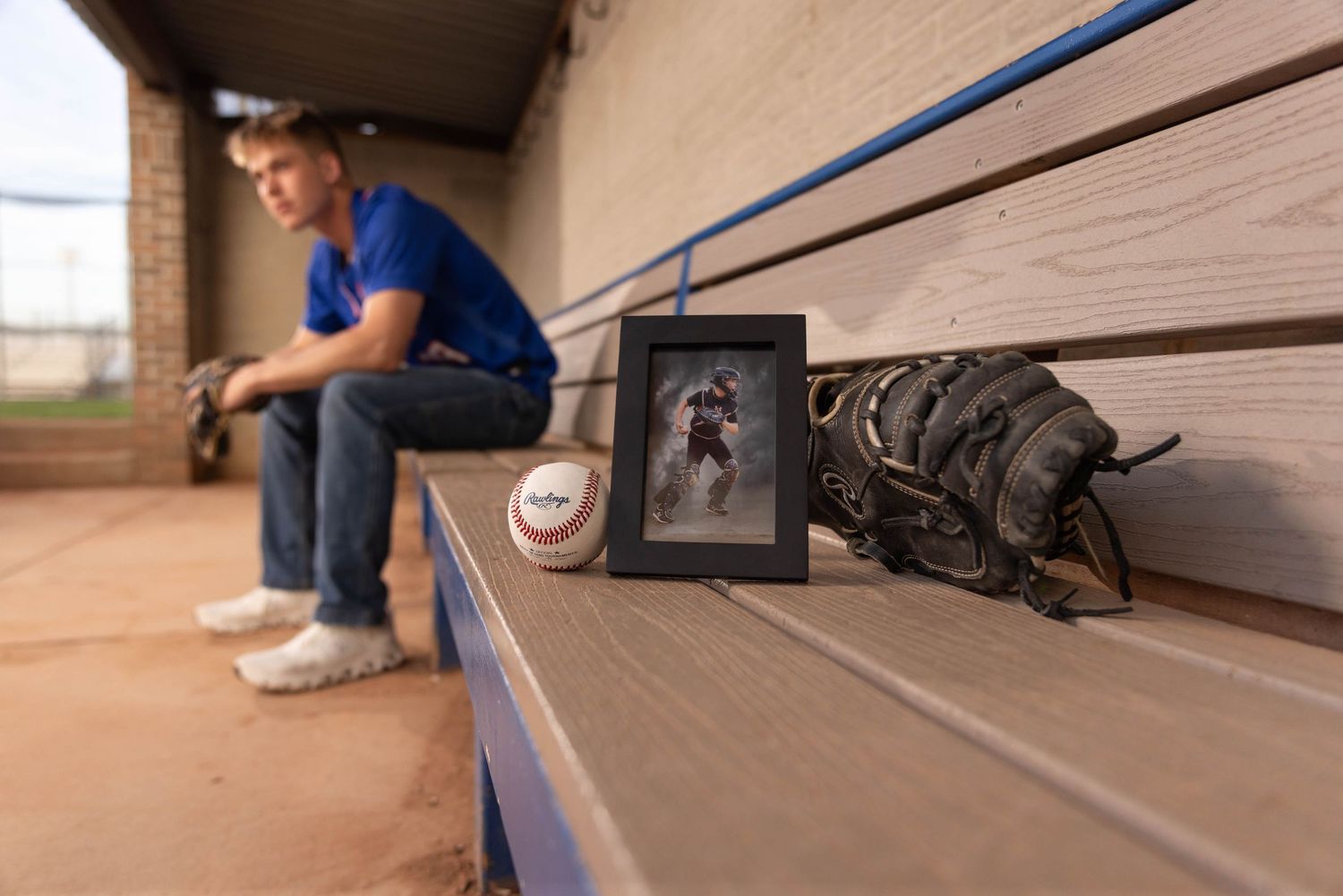
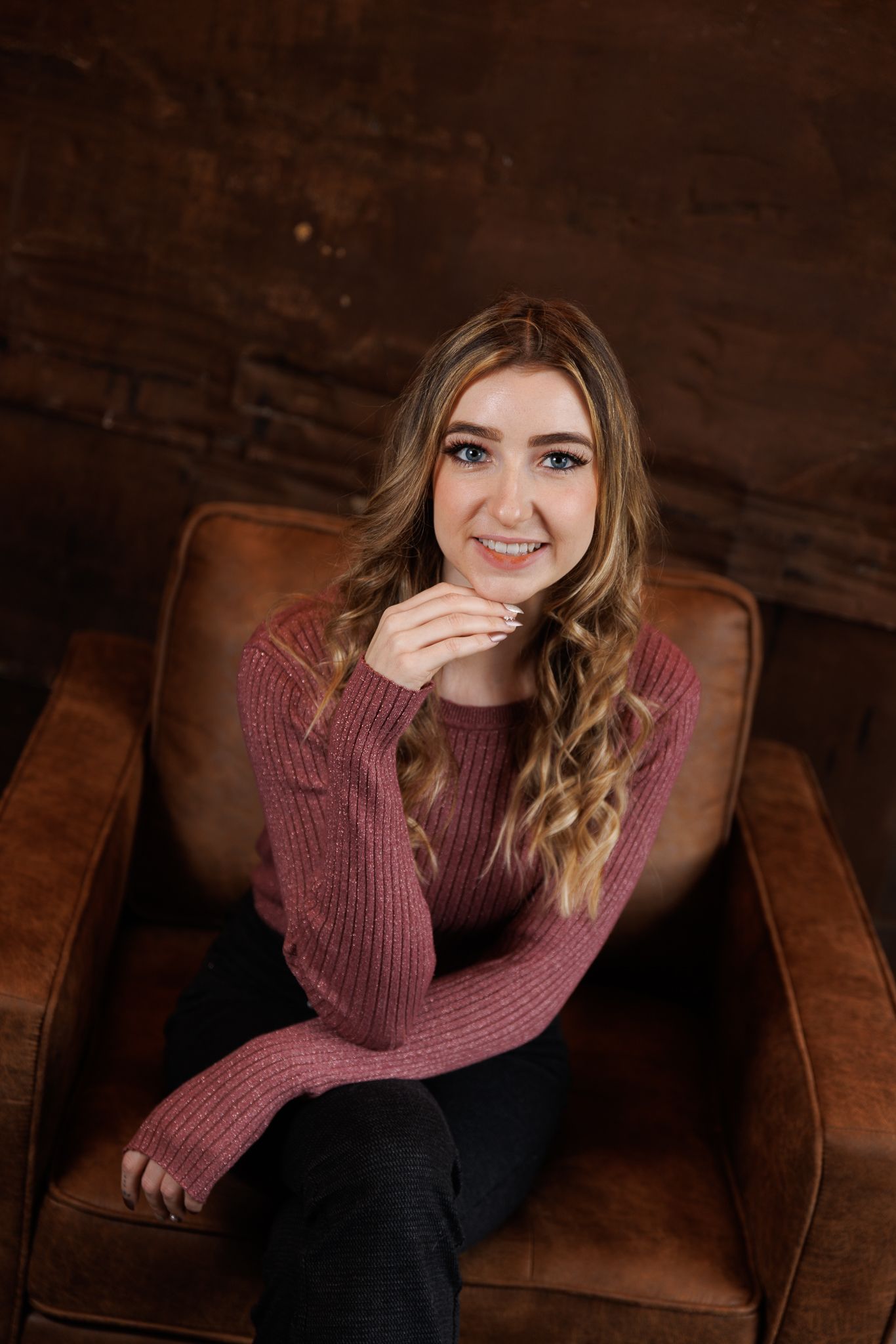
For portrait photography, you may not need the latest autofocus system or the highest possible resolution.
A camera with good image quality, reliable autofocus, comfortable ergonomics and good high-ISO performance can be more than enough.
This is also an area where I would seriously consider putting some of your budget toward lenses instead of the camera body.
A good portrait lens can change the look of your photographs far more dramatically than moving from one modern camera body to another.
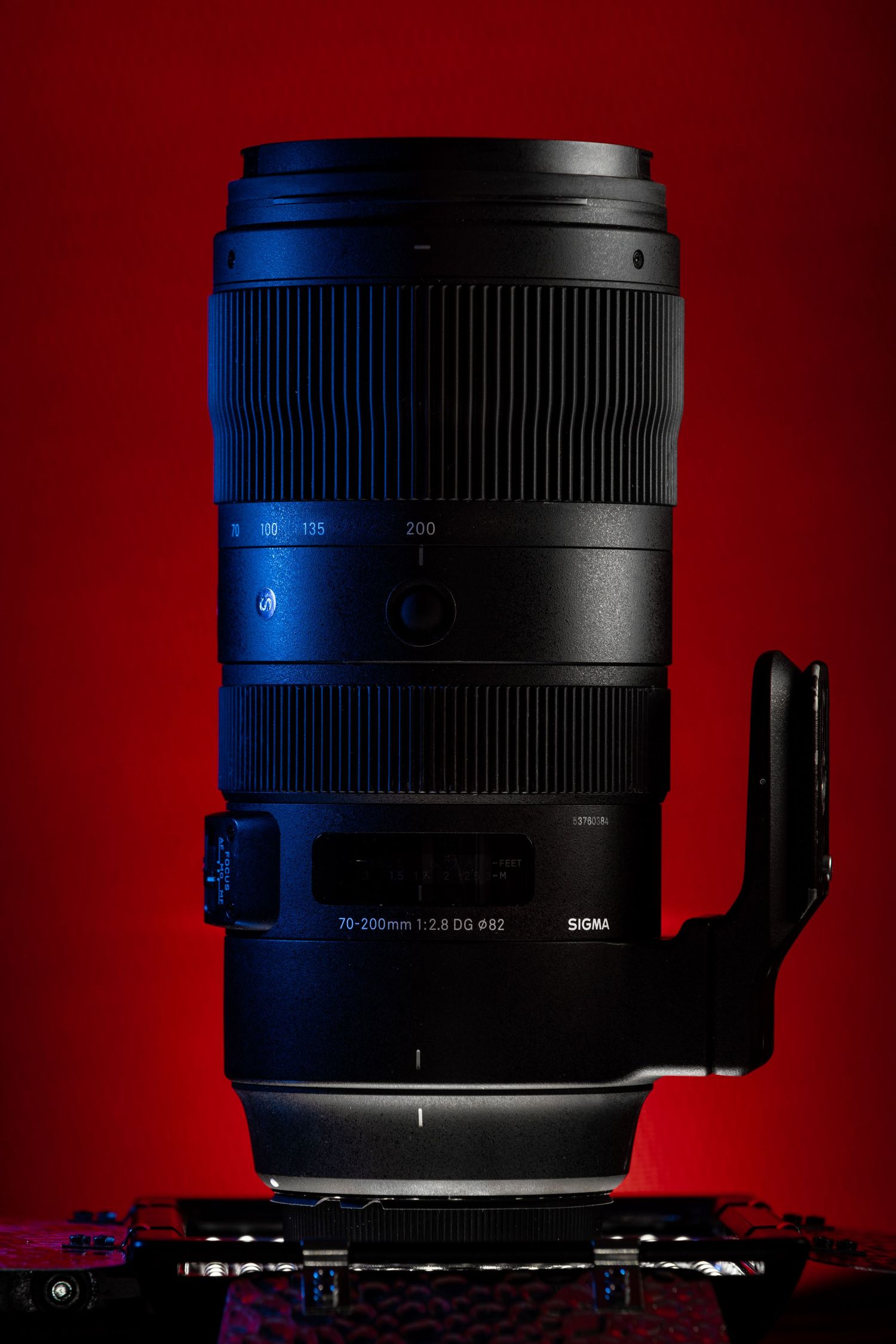
An 85mm, 105mm or 70-200mm lens can give you subject separation, compression and background rendering that simply can't be replicated by changing camera bodies.
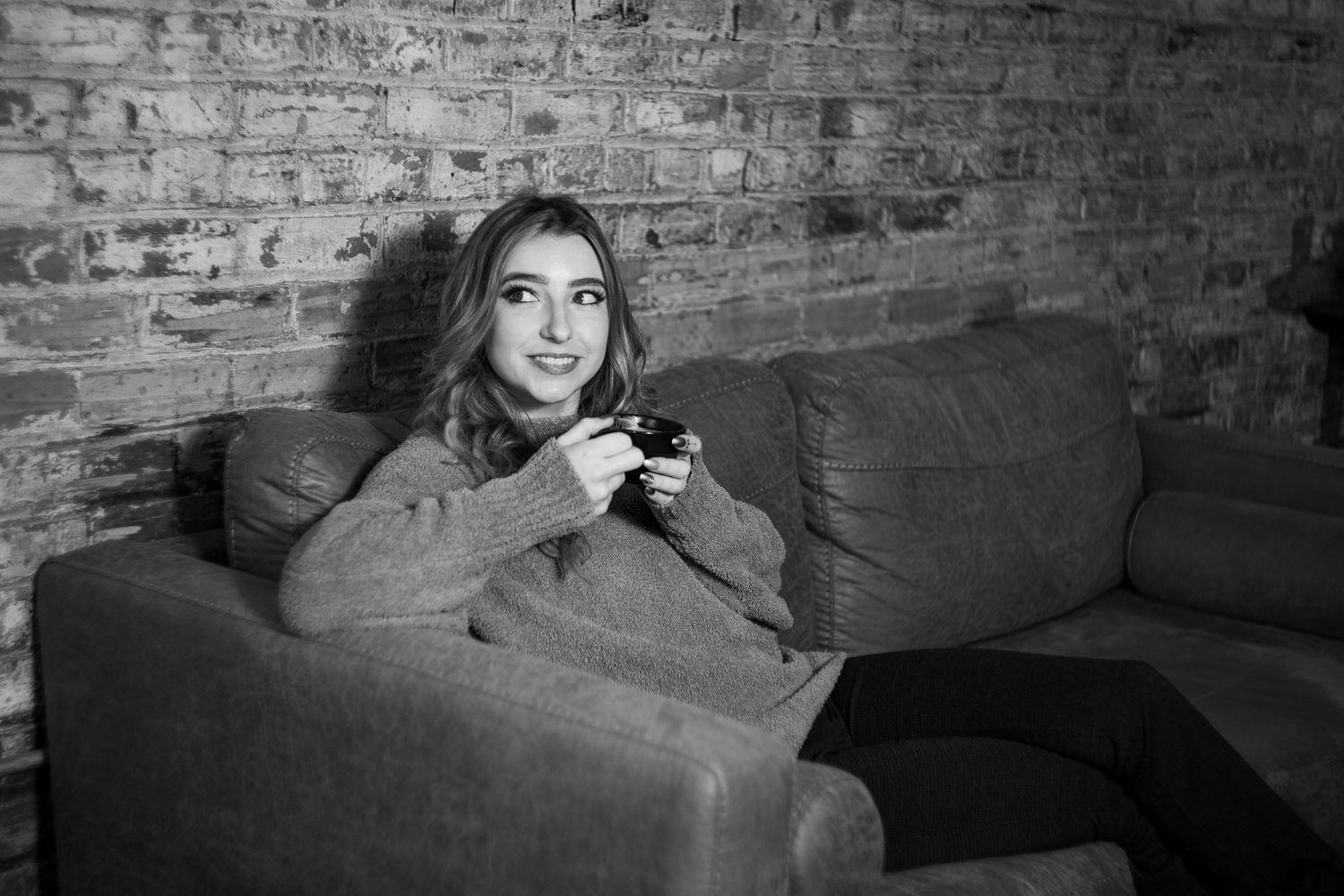
For photographers working with high school seniors or family portraits, that can be a much more noticeable investment.
And honestly, it's something I think about with my own photography.
The camera is important, but the lens, lighting, composition and the way you interact with your subject are what ultimately shape the photograph.
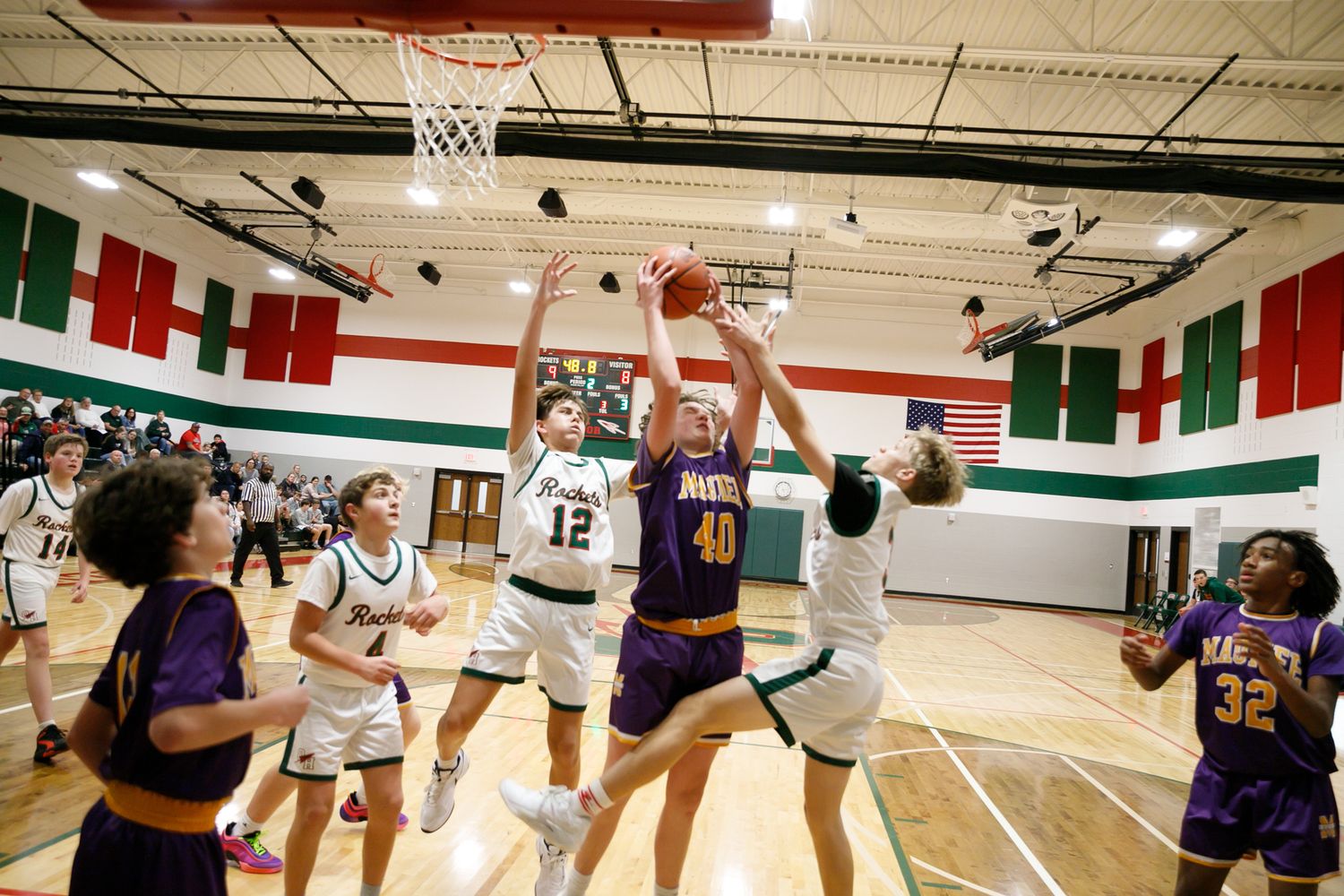
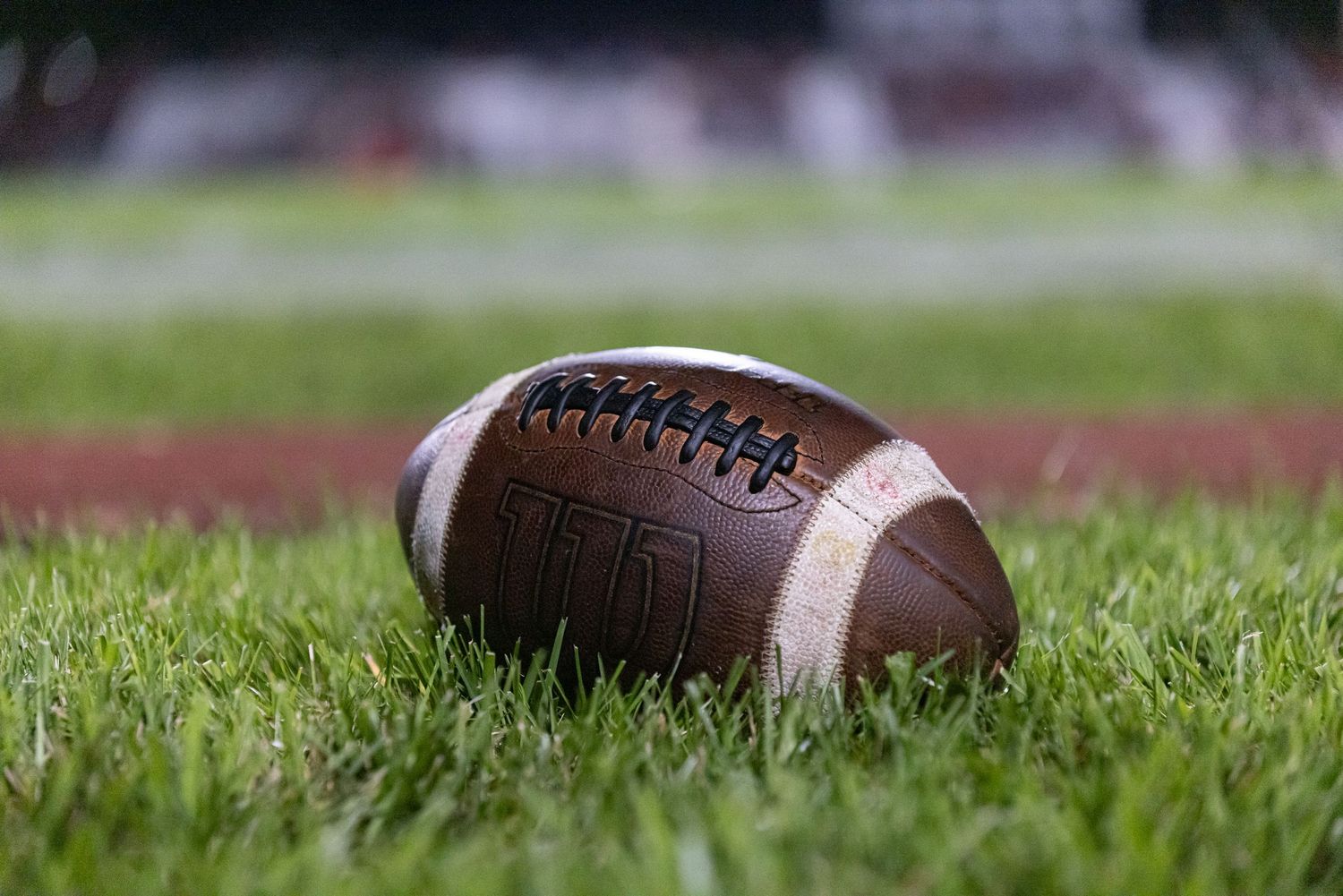
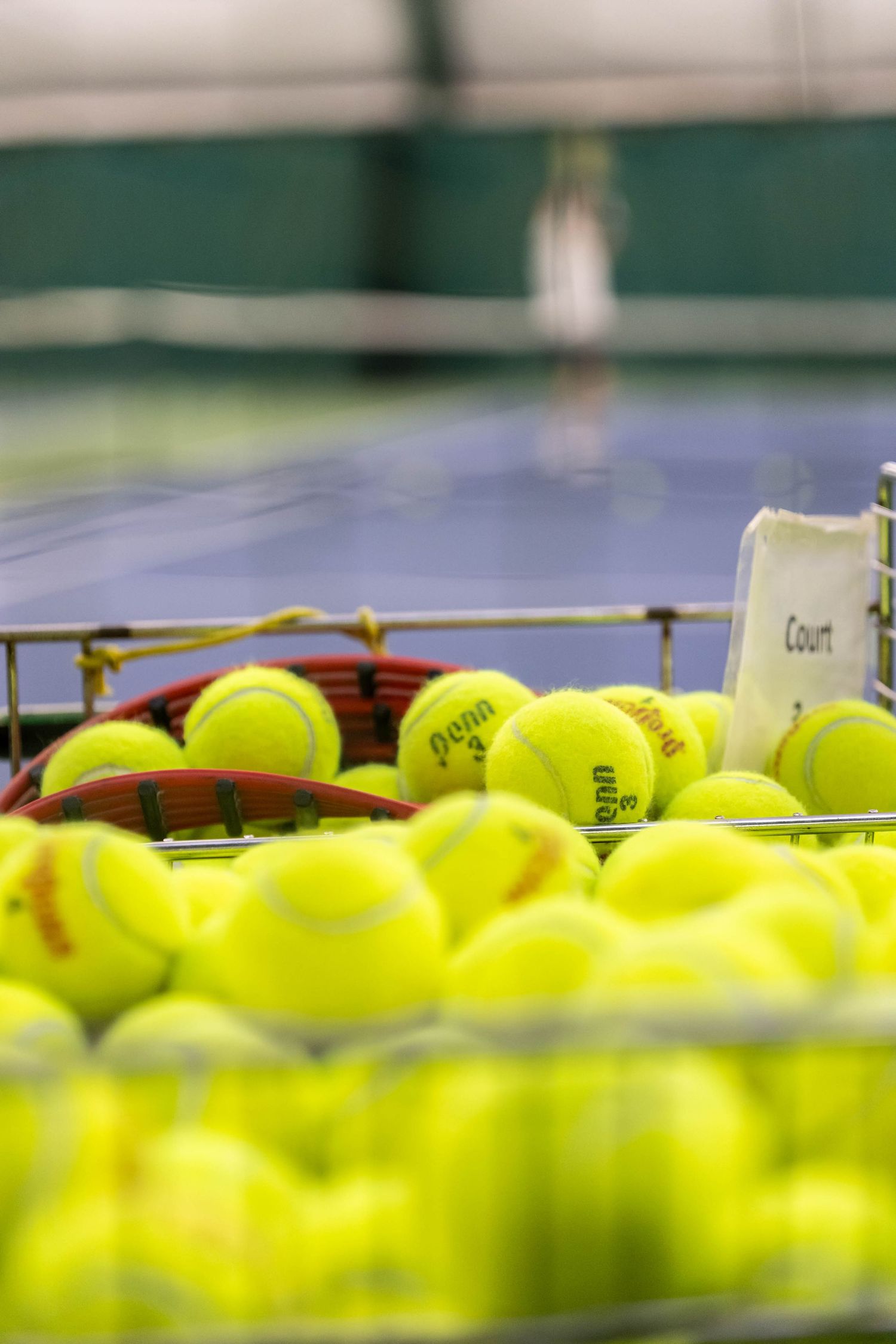
Sports and Action Photography
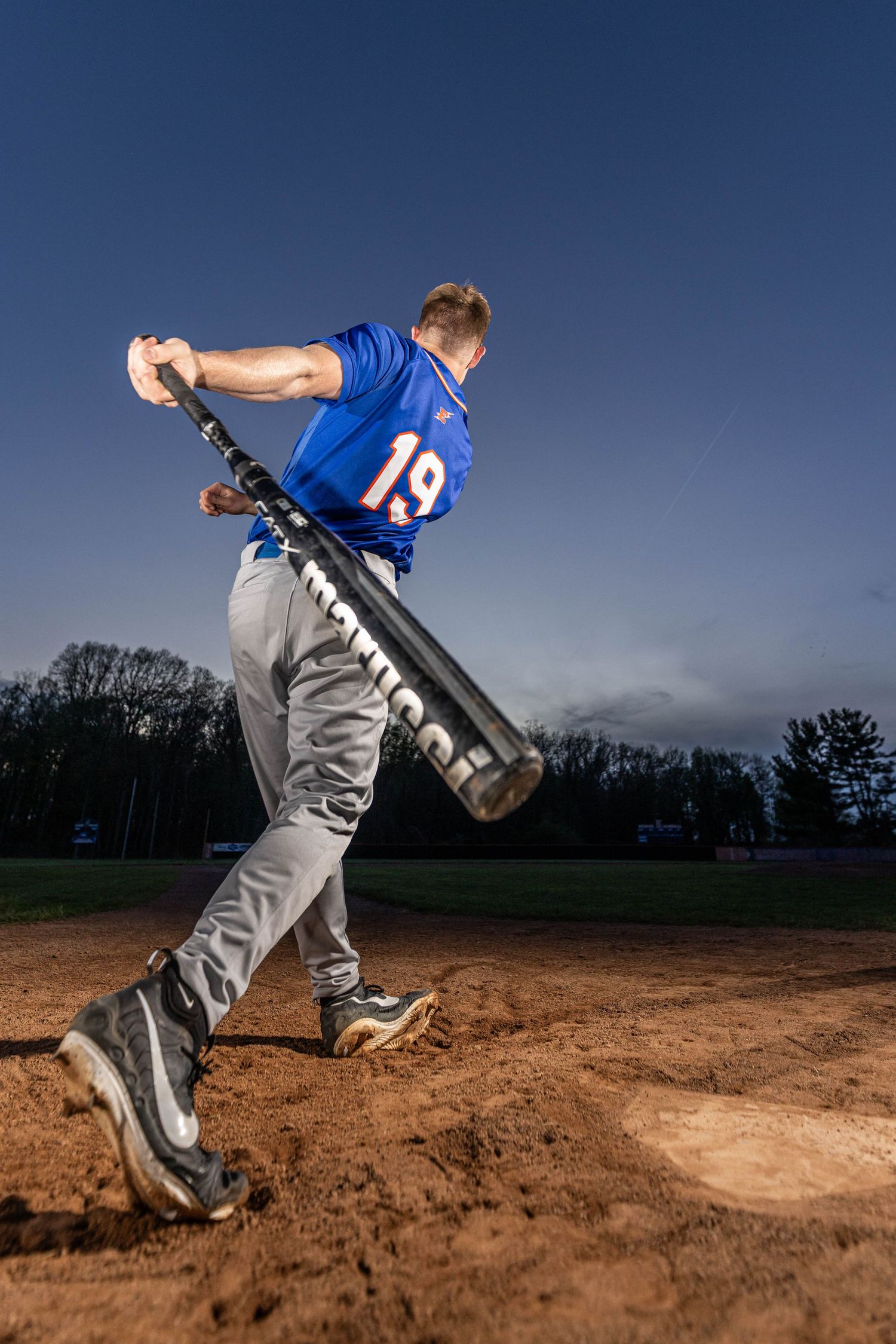
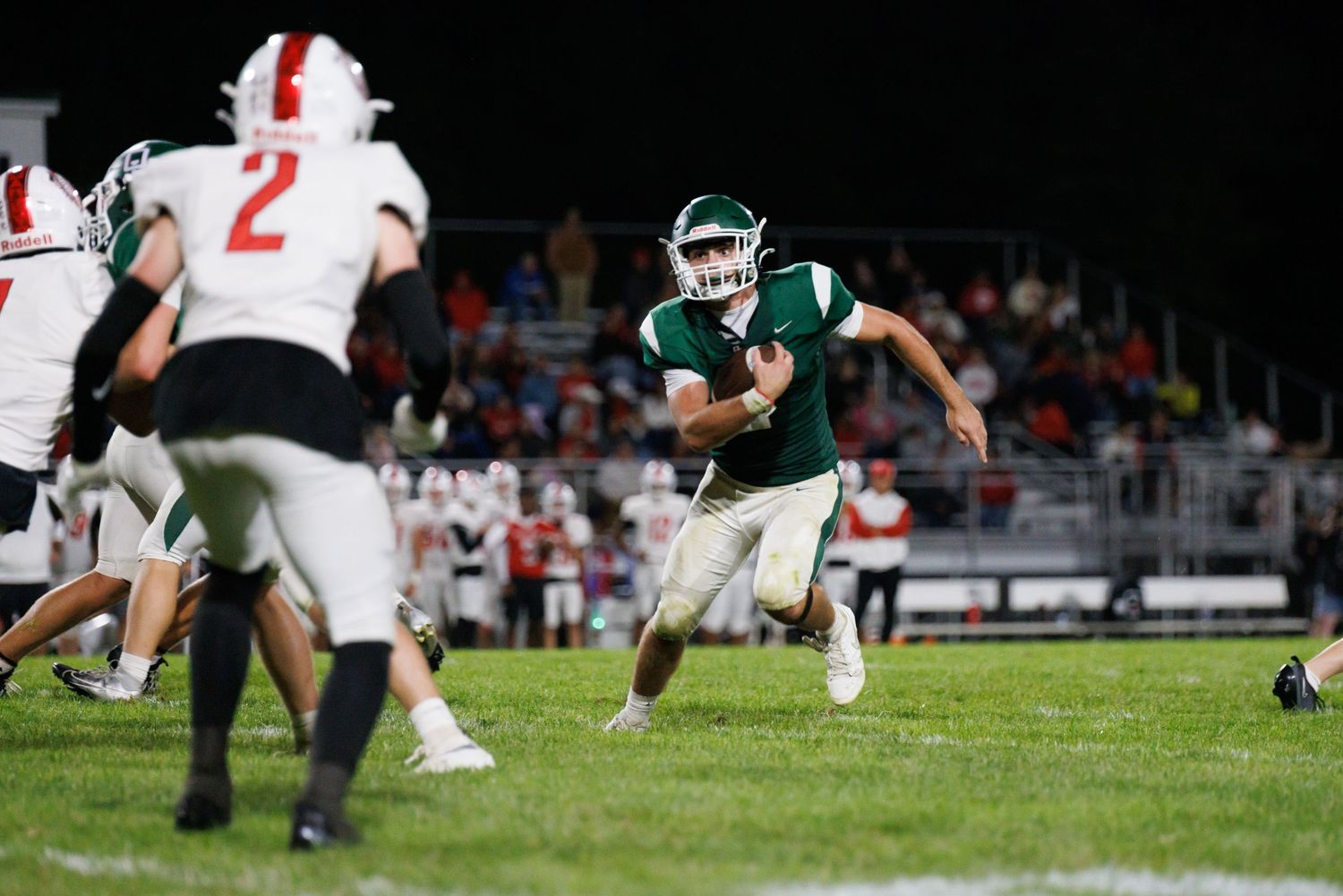
Sports photography is one area where upgrading your camera can make a significant difference.
If you're photographing football, soccer, basketball, baseball or other fast-moving subjects, things like these become much more important:
- Autofocus tracking
- Burst rate
- Buffer depth
- Shutter performance
- High-ISO performance
- Viewfinder blackout
- Battery life
- Weather resistance
- Ergonomics
But don't forget the lens. A fast telephoto lens can be one of the most important pieces of a sports photography system.
If you're shooting with a slow lens and constantly finding yourself at ISO 6400, 12800 or higher, upgrading the camera might help—but a faster lens could potentially address the problem at its source.
In other words, don't automatically assume:
"I need a better camera."
Sometimes the answer is:
"I need more light."

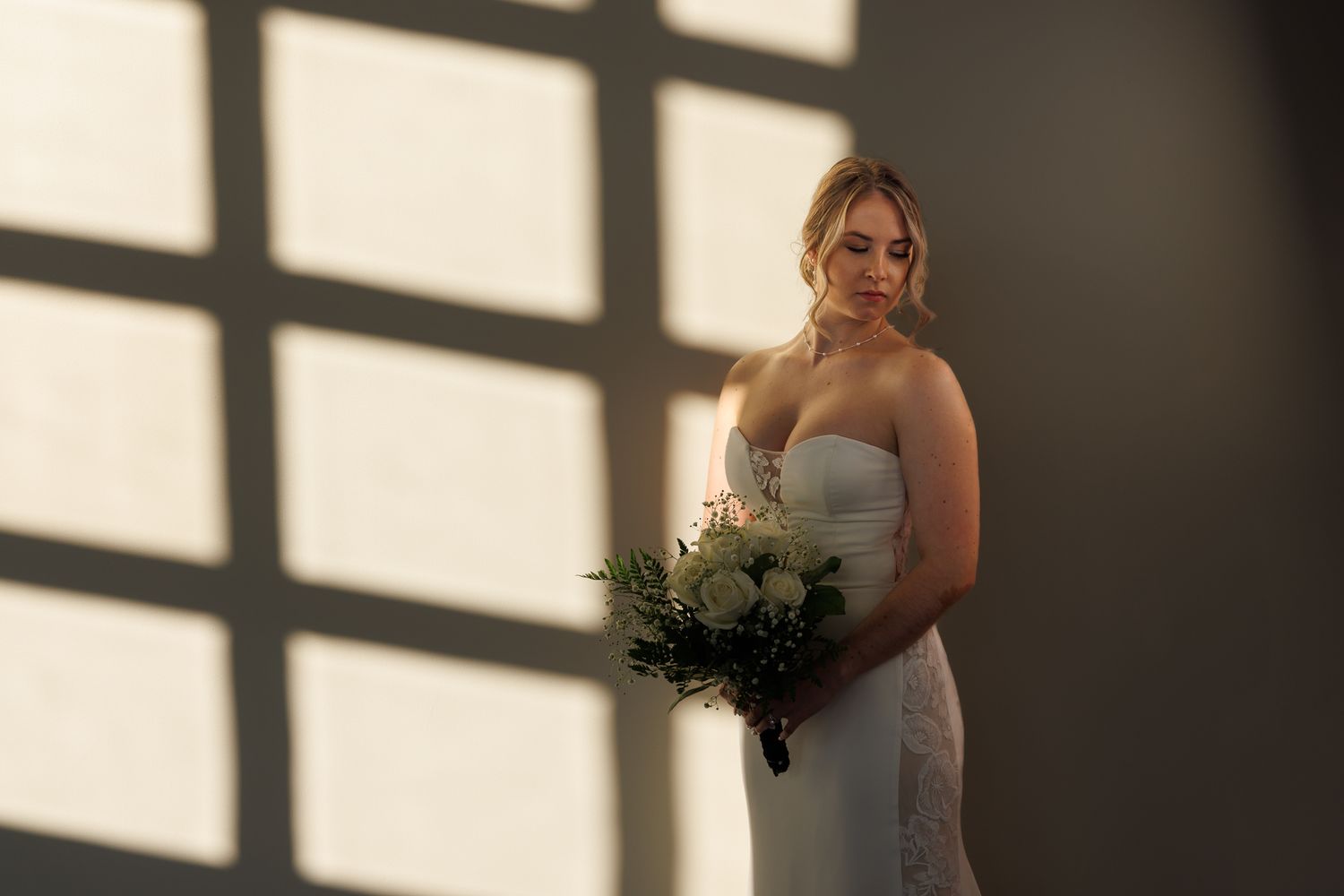
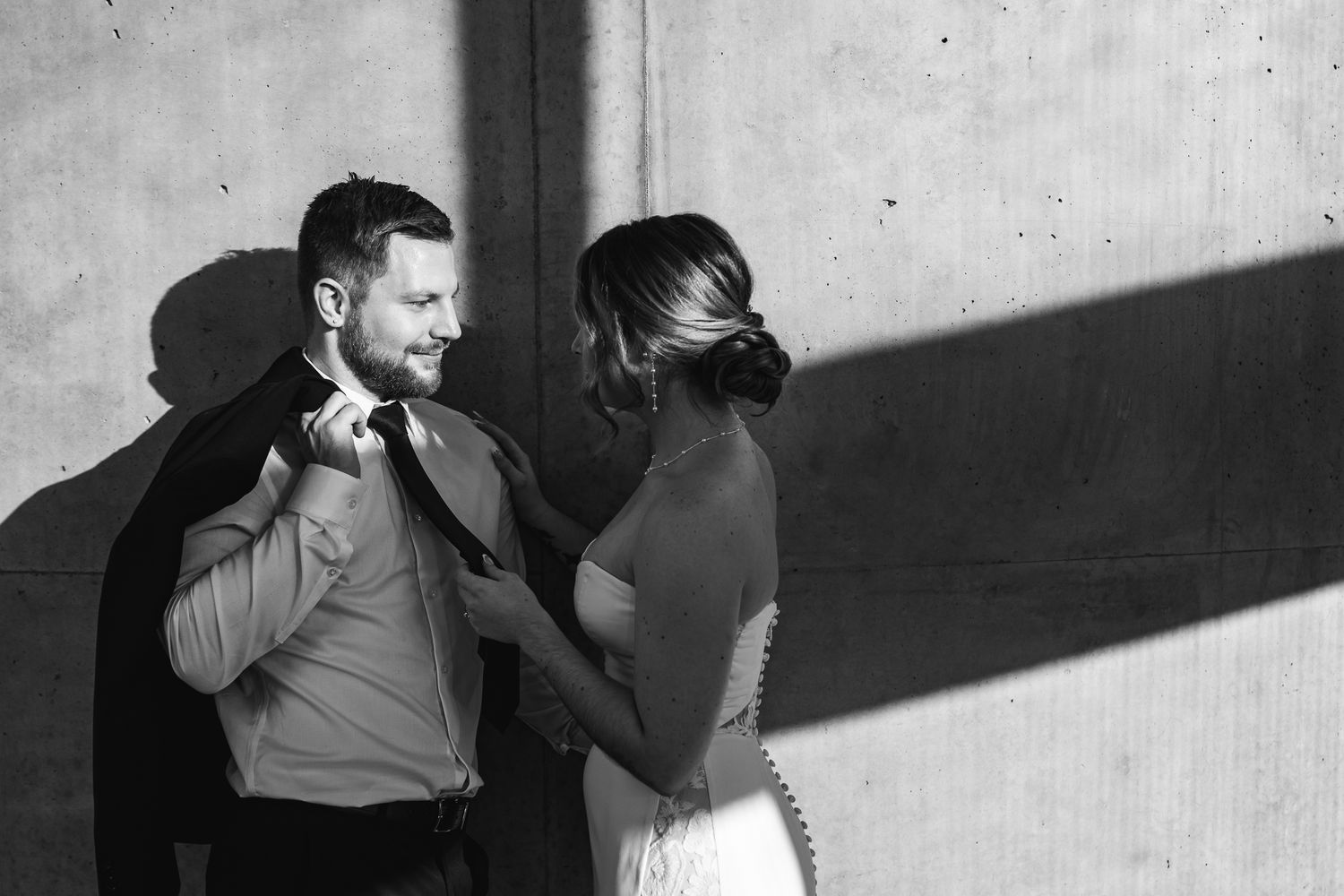
Wedding Photography
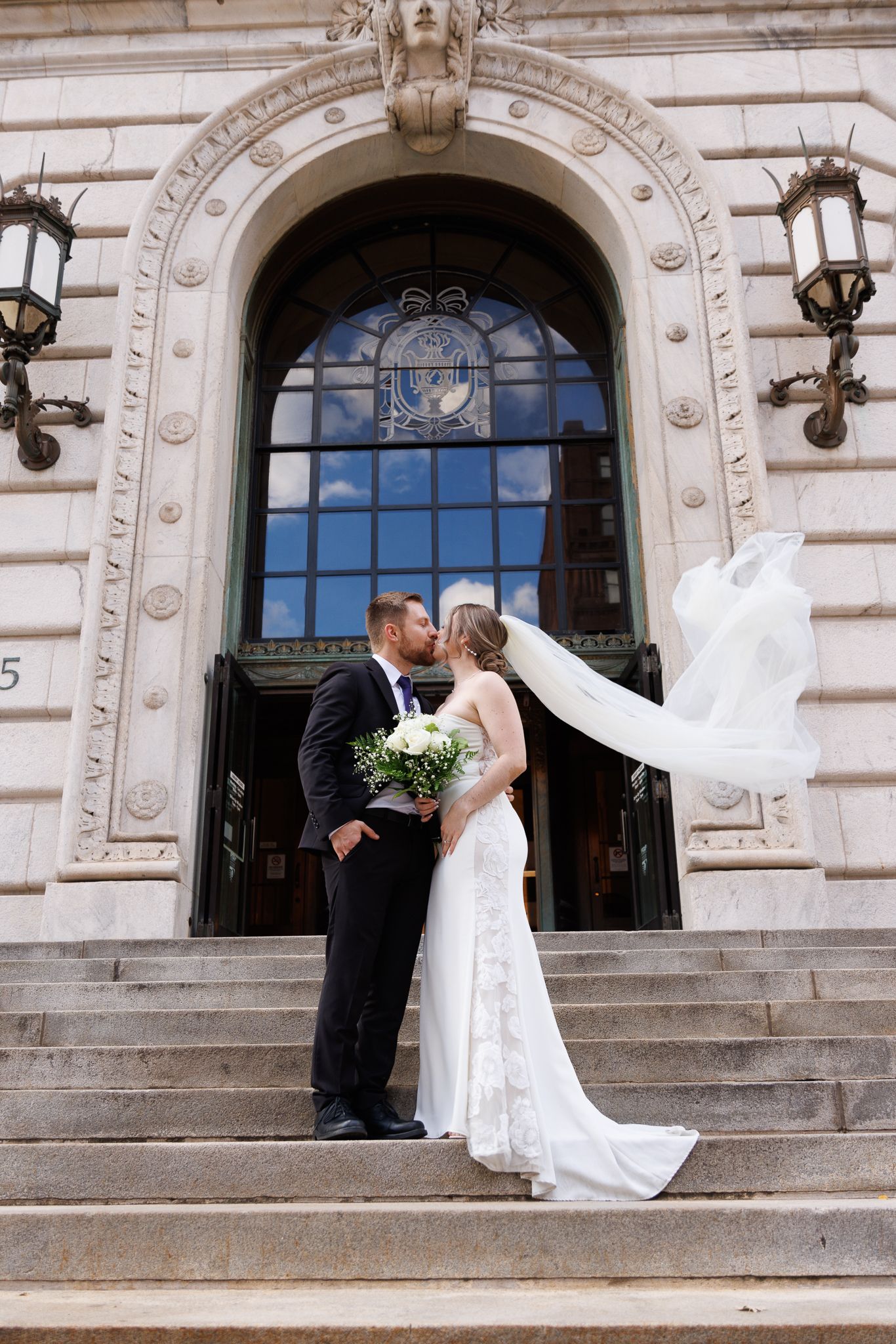
Wedding photography is another great example of why there isn't one universally "best" camera.
You're dealing with changing light, moving subjects, portraits, ceremonies, receptions and sometimes very little opportunity for a second chance.
Here, reliability matters.
Autofocus performance, low-light capability, dual card slots, battery life, weather resistance and comfortable handling may all be more important than having the absolute highest resolution available.
And once again, lenses become incredibly important.
A 24-70mm f/2.8 and a 70-200mm f/2.8 can cover an enormous range of situations.
A good lens system gives you flexibility without requiring you to constantly replace your camera body.
Landscape Photography
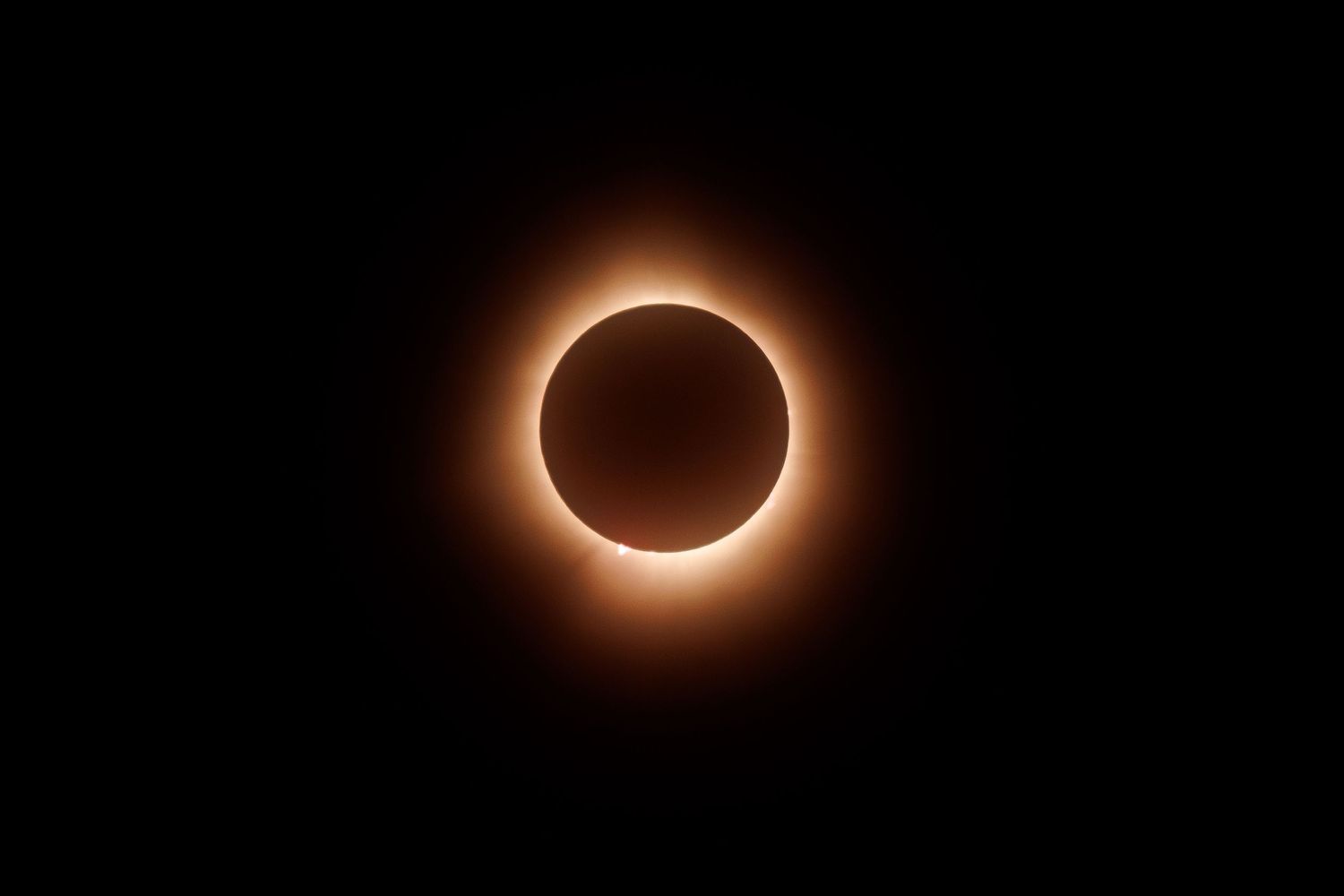
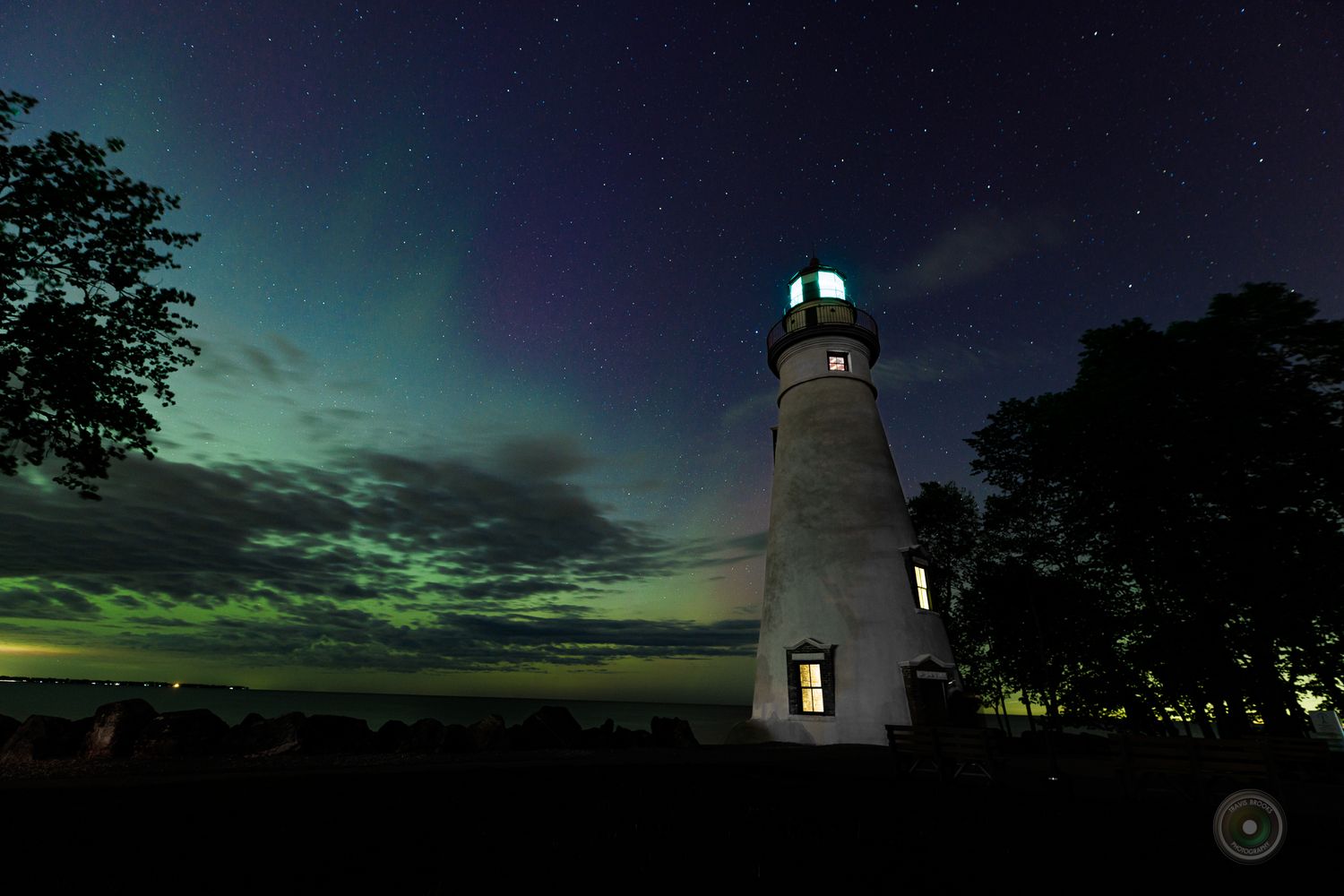
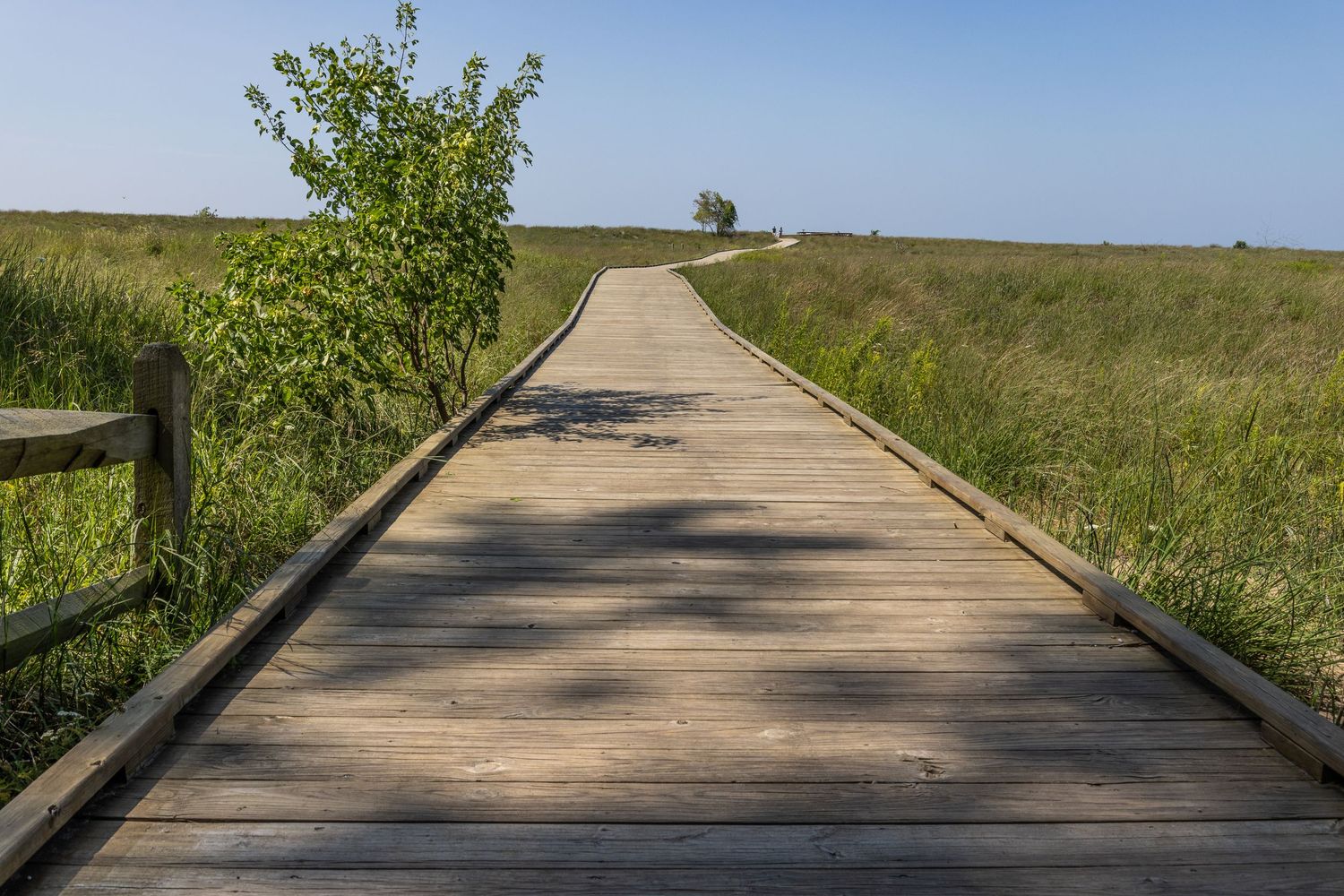
Landscape photographers may care more about things like:
- Resolution
- Dynamic range
- Low-ISO image quality
- Weather resistance
- Long-exposure capabilities
- Lens selection
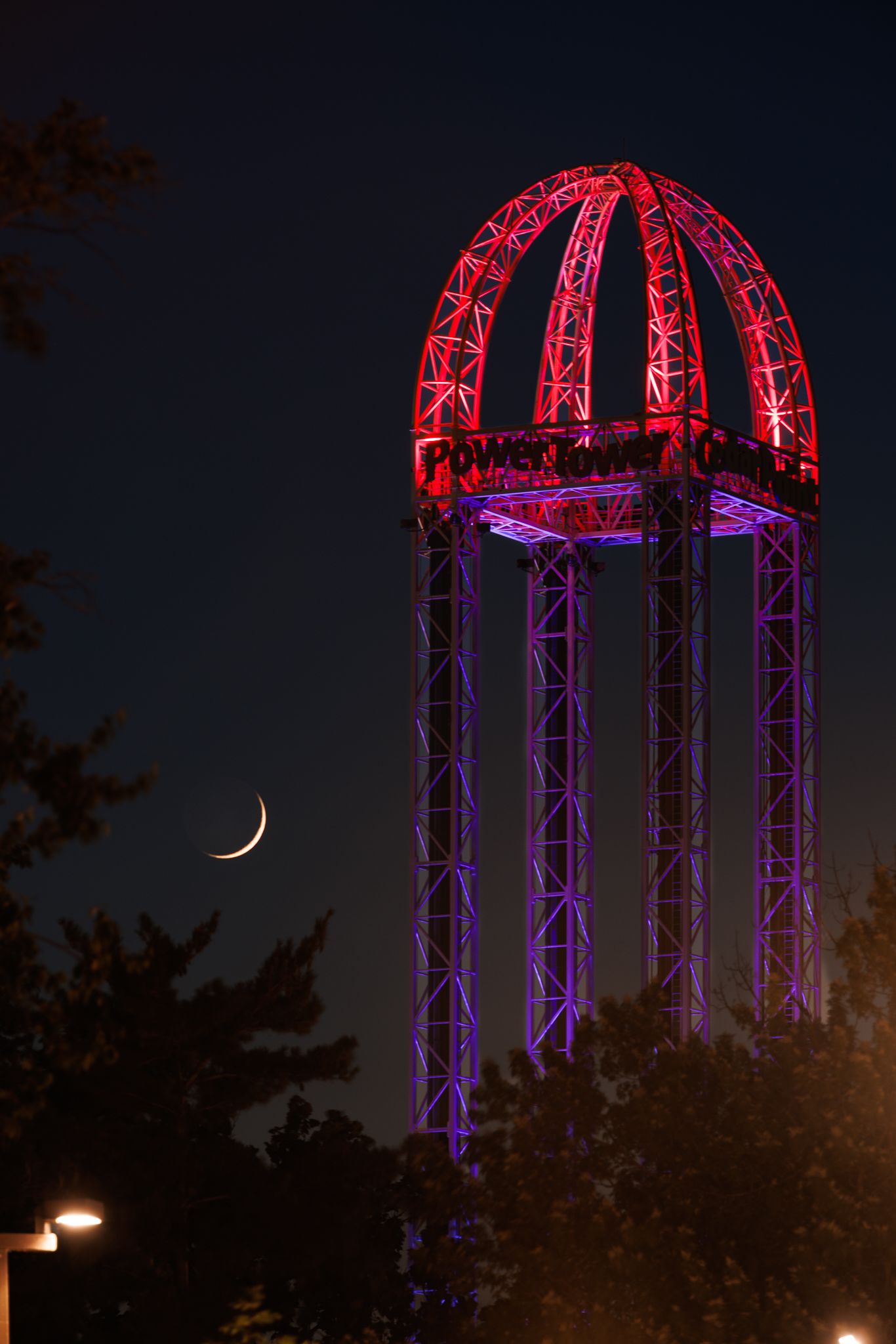
If you're making large prints or heavily cropping images, additional resolution can be genuinely useful.
But even here, the lens matters.
A high-resolution camera with a mediocre lens isn't necessarily a better investment than a slightly lower-resolution camera paired with excellent glass.
The quality of the lens, your technique, the light and your composition all play a major role in the final image.

Don't Forget About Video
Video can completely change the equation. If you're moving into video, pay attention to things such as:
- Resolution and frame rates
- Autofocus performance
- Rolling shutter
- Recording limits
- Internal codecs
- Audio inputs
- Image stabilization
- Heat management
- Lens breathing
A camera that's fantastic for still photography isn't automatically the best camera for video. If video is becoming a significant part of what you do, this may be one of the situations where upgrading the camera body makes considerably more sense.
Your Lens Investment May Outlive Your Camera
This is one of the biggest things I think photographers should consider before upgrading.
Camera bodies are technology. Lenses are part of your system.
Camera bodies are replaced relatively frequently. Manufacturers introduce new processors, sensors, autofocus systems and features. A good lens can remain useful for many years. That's especially important if you're using an interchangeable-lens camera system.
Let's say you spend $2,000 upgrading your camera body. A few years later, you decide that a newer body would give you better autofocus or video capabilities. You might sell the old body and upgrade again.
Now compare that with spending the same $2,000 on a lens that solves a problem you have today.
If that lens continues to work with your next camera—and the one after that—you've potentially built an investment that follows you through multiple camera upgrades.
That's one reason I encourage photographers to think about their entire camera system, not just the camera body.
But Don't Buy More Lens Than You Need
There's another side to this conversation.
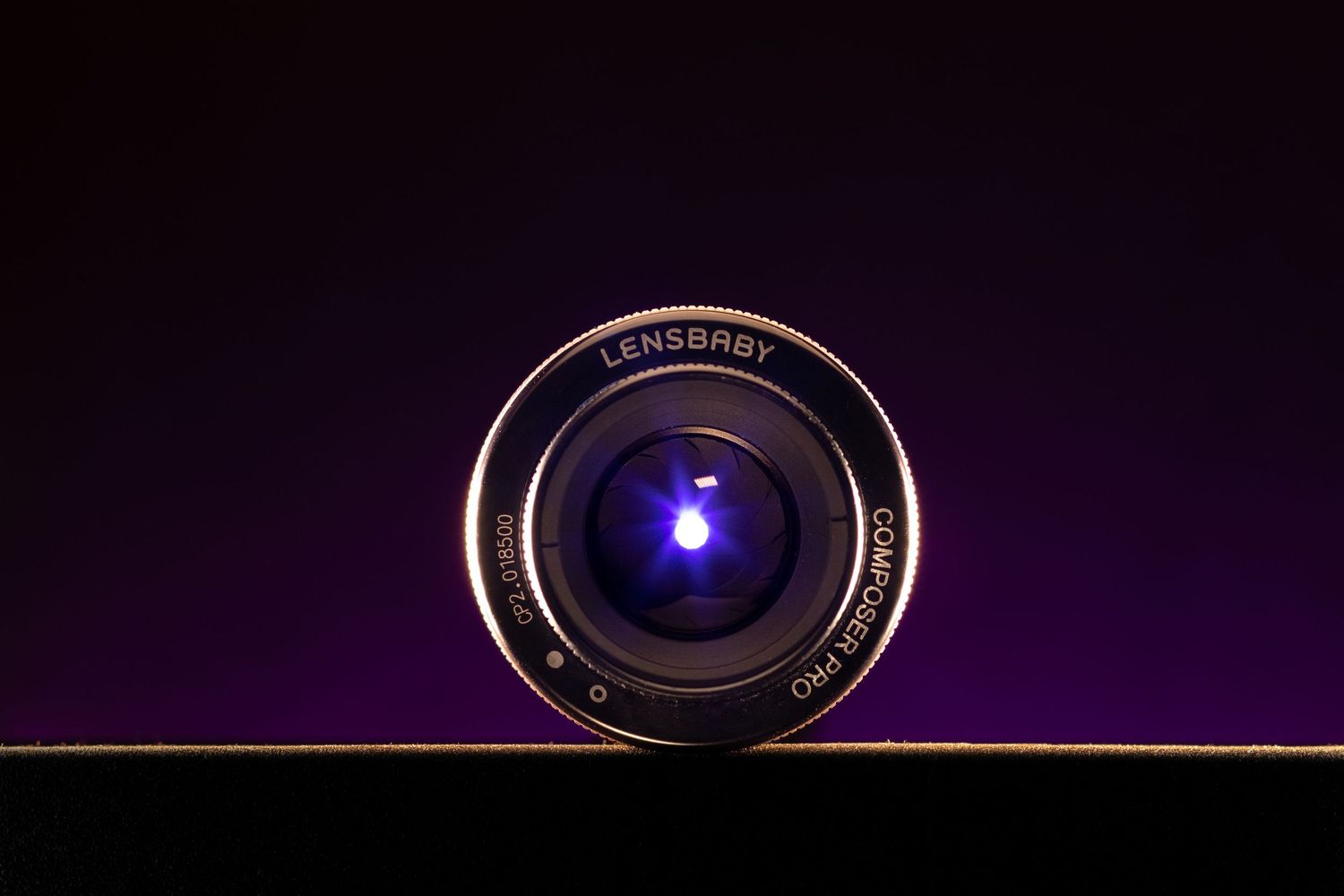
"Buy good glass" is great advice—but it doesn't mean you should automatically buy the most expensive lens available. If you're photographing your kids, family vacations and occasional landscapes, you may not need a $2,500 professional zoom. If you're shooting professionally every weekend, that calculation changes.
Consider how often you'll use the lens, what conditions you'll use it in, and whether its advantages actually matter to your photography. A $1,500 lens that spends most of its life sitting in your closet isn't necessarily a better investment than a $500 lens that you use constantly.
The best gear is the gear you actually use.
Future-Proofing vs. Saving Money
This is where things get interesting. There's a temptation to "future-proof" every purchase.
Buy the biggest sensor.
Buy the highest resolution.
Buy the newest autofocus.
Buy the professional lens.
Buy the body with every feature because maybe someday you'll need it.
There's nothing wrong with planning ahead—but future-proofing can become an excuse for overspending. Instead, think about the next several years of realistic photography, rather than some hypothetical future version of yourself.
Ask yourself:
"What am I doing now?"
"What do I realistically expect to be doing two or three years from now?"
"What limitation do I have today that I want my new equipment to solve?"
That's a much better way to decide where your money should go.
Sometimes the Most Economical Upgrade Is No Upgrade
This might be the least exciting advice in a photography gear article:
You might not need a new camera.
If your current camera focuses accurately, produces files you're happy with, handles the situations you photograph and doesn't prevent you from creating the images you want, keep using it. Spend some time learning it better.
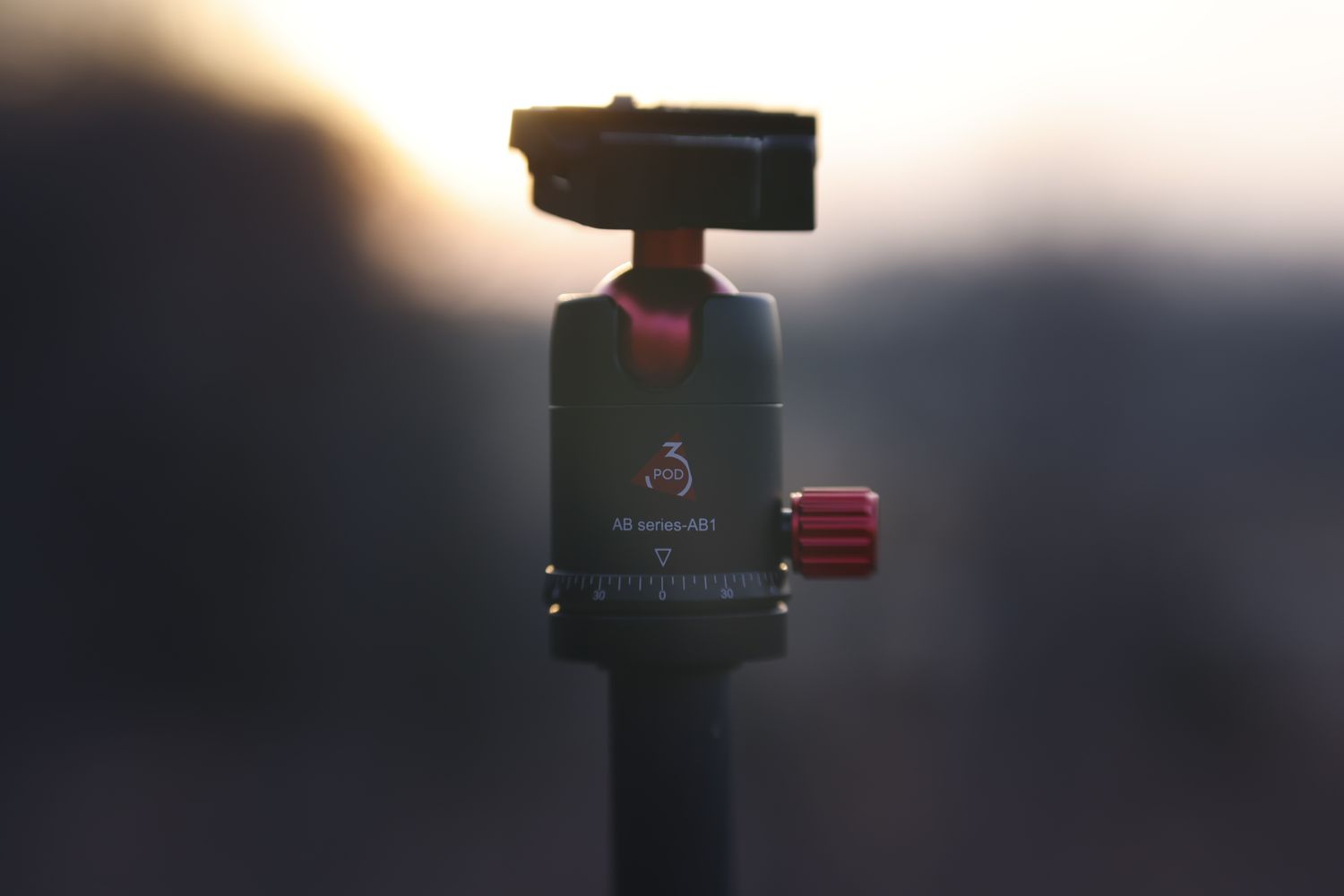
Improve your lighting. Buy a lens that gives you a different perspective. Invest in a tripod. Take a workshop. Print your photographs. Or simply go shoot.
A newer camera doesn't automatically make you a better photographer. Sometimes the biggest improvement comes from becoming better at using the equipment you already own.
A Simple Camera Upgrade Checklist
Before buying anything, ask yourself these questions:
1. What am I photographing?
Portraits, sports, weddings, landscapes, wildlife, travel and video all place different demands on equipment.
2. What is my current camera preventing me from doing?
Be specific.
3. Would a lens solve the problem?
Could a faster lens, wider lens, longer lens or better-quality lens solve the problem instead?
4. Will the equipment work with my future system?
If you're buying an interchangeable-lens camera, think about the lens mount and your long-term plans.
A camera body is only one part of the system.
5. How often will I actually use it?
Professional photographers may be able to justify equipment that gets used hundreds of times a year.
For someone who takes the camera on vacation twice a year, the calculation is different.
6. Am I buying a solution—or just buying something new?
There's a difference.
If you can clearly explain what the new equipment will allow you to do that you can't do now, you're probably thinking about the purchase the right way. If the answer is simply, "Because the new one is better," it might be worth waiting.
Build a Photography System, Not Just a Camera Bag
One of the best things about interchangeable-lens cameras is that you don't have to replace everything every time you upgrade. That's the beauty of a system. You can build it gradually. Maybe you start with a camera and a kit lens. Then you add a faster prime. Later you add a telephoto. Eventually you upgrade the camera body.
Then another lens.
Over time, your equipment becomes a collection of tools designed around the way you photograph. That's a much more sustainable approach than constantly chasing the newest camera. And it can also be easier on your wallet.
For a working photographer, a well-built system can serve everything from senior portraits and family photography to weddings, events and commercial work without requiring a completely different setup for every assignment.
The Camera Doesn't Make the Photograph
It's easy to get caught up in specifications. I certainly understand the temptation. Photographers tend to be gear nerds—and I'm no exception. But after years of working with cameras, lenses and lighting, I've found that equipment is only one piece of the equation.
The camera records the photograph. The photographer makes it.
Knowing how to use light, choosing the right composition, understanding your subject and knowing when to press the shutter are all skills that transfer from one camera to another. That's true whether you're photographing a high school senior, a family, a wedding ceremony or a Friday-night football game. Better equipment can absolutely make certain jobs easier. It just shouldn't replace developing the skills that make you a photographer.

So, When Should You Upgrade?
There isn't a magic number of years.
There isn't a certain megapixel count.
And there certainly isn't a rule that says you need to upgrade every time your favorite camera manufacturer releases something new.
Upgrade when your equipment is creating a real limitation. If your camera is preventing you from getting the autofocus performance, low-light capability, resolution, video functionality, speed or reliability that your photography requires, then it's probably time to start looking. But before you replace the body, look at the entire system.
Could a lens solve the problem?
Could better lighting solve it?
Could technique solve it?
Could simply learning your current camera better solve it?
And if you do decide that a new camera is the right answer, don't automatically buy the most expensive one. Buy the camera that fits the work you actually do. Because the goal of upgrading your gear isn't to own the newest camera.
It's to give yourself better tools for making the photographs you want to make.
And sometimes, the smartest upgrade isn't the camera sitting at the top of the display case.
It's the lens sitting right next to it.
A Final Thought
Photography has a funny way of convincing us that the next piece of gear will solve everything.
Sometimes it will. But sometimes the best investment isn't another camera at all. It might be a lens. It might be better lighting. It might be education. Or it might simply be spending more time behind the camera you already own. That's something I try to keep in mind in my own work at Travis Brooks Photography. Whether I'm photographing seniors, families, weddings or other portraits around North Central Ohio, the goal isn't to use the newest equipment simply because it's new.
The goal is to use the right tools to create great photographs.
Choose your gear based on the photographs you want to make—not the specifications printed on the box.
If you're looking for a photographer for senior portraits, family photography, weddings or other portrait work in North Central Ohio, take a look around Travis Brooks Photography and see what we can create together.